Why Trade Finance Operations Are Under Pressure
Trade finance remains one of the most document-heavy and operationally complex areas of banking. Even relatively modest transaction volumes can create significant operational strain.

Manual document processing
Letters of credit, invoices, bills of lading and inspection certificates must often be reviewed manually. This creates delays and limits how quickly teams can process transactions.

Fragmented workflows across systems
Trade data often moves between multiple systems, emails and manual review processes, creating inefficiencies and increasing the risk of errors.

High exception and discrepancy rates
Document inconsistencies frequently require investigation and escalation, creating additional work for experienced trade specialists.

Scaling operations without increasing headcount
As transaction volumes grow, many banks struggle to increase processing capacity without hiring more staff or increasing operational risk.
Without structured automation and workflow orchestration, trade finance teams face a ceiling on how much work they can process efficiently.
Why Trade Finance Operations Are Under Pressure
Trade finance remains one of the most document-heavy and operationally complex areas of banking. Even relatively modest transaction volumes can create significant operational strain.
Manual document processing
Letters of credit, invoices, bills of lading and inspection certificates must often be reviewed manually. This creates delays and limits how quickly teams can process transactions.
Fragmented workflows across systems
Trade data often moves between multiple systems, emails and manual review processes, creating inefficiencies and increasing the risk of errors.
High exception and discrepancy rates
Document inconsistencies frequently require investigation and escalation, creating additional work for experienced trade specialists.
Scaling operations without increasing headcount
As transaction volumes grow, many banks struggle to increase processing capacity without hiring more staff or increasing operational risk.
Without structured automation and workflow orchestration, trade finance teams face a ceiling on how much work they can process efficiently.
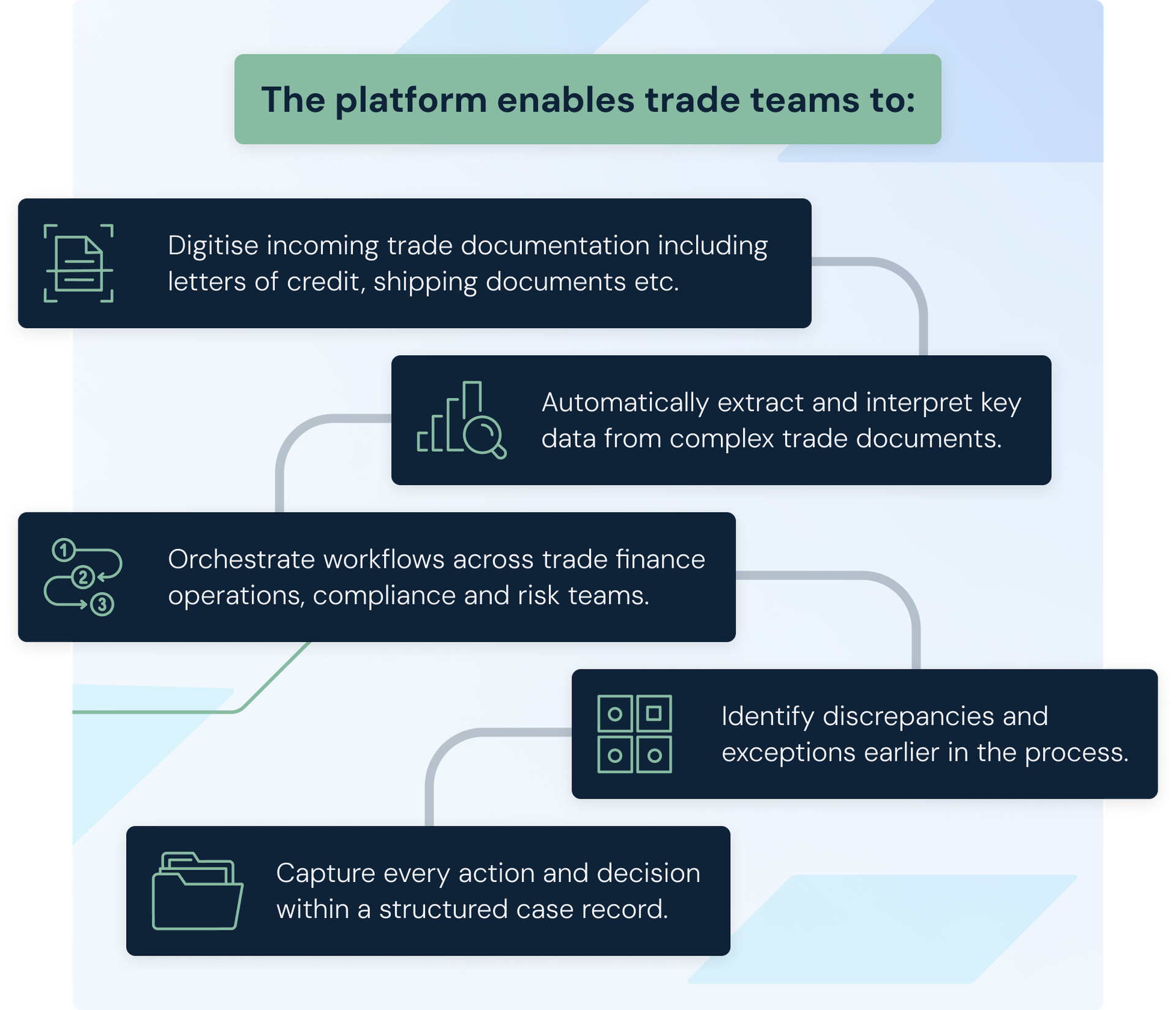
Automate the Trade Workflow
Trade AI integrates with established existing trade platforms and other infrastructure including Finastra, CGI, Iron Mountain and Temenos. The platform is designed to extend existing systems rather than replace them. Enabling banks to introduce advanced trade decision capabilities without disrupting their core trade processing environments.
Instead of manual document handling and fragmented review processes, trade teams gain a single workflow that manages each transaction from intake through to decision.

See Trade AI in action at ING Bank
Discover how ING Bank used Trade AI to improve document checking, reduce manual effort and increase operational efficiency in trade finance.
Download the ING case study


“The app has delivered more than we expected quicker than we expected.”
Dermot Canavan
Trade Operations Manager, ING Bank
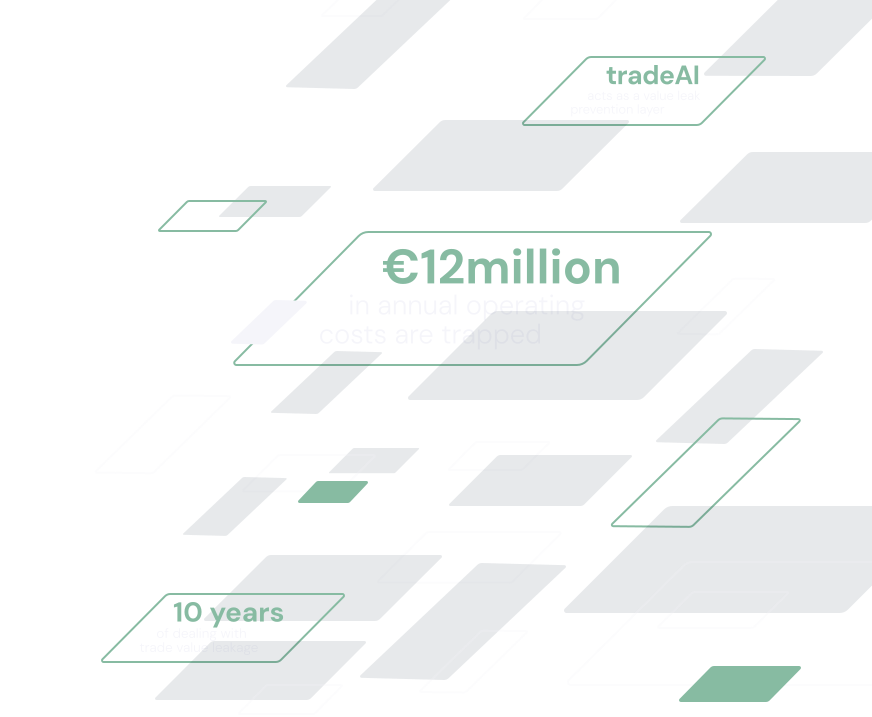
Fixing the Trade Finance Value Leak
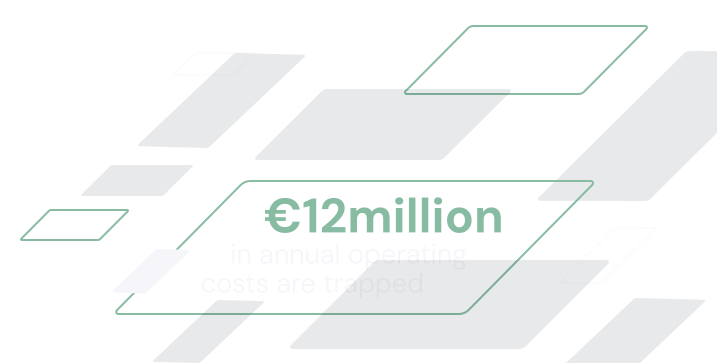
Manual repair cycles, discrepancy loops and compliance friction are quietly costing global trade finance operations millions of dollars in losses each year. The 2026 Trade Finance Value Leak Report from Conpend exposes these biggest sources of loss — and what leading banks and corporations around the world are now doing to eliminate them.
Fixing the Trade Finance Value Leak
Manual repair cycles, discrepancy loops and compliance friction are quietly costing global trade finance operations millions of dollars in losses each year. The 2026 Trade Finance Value Leak Report from Conpend exposes these biggest sources of loss — and what leading banks and corporations around the world are now doing to eliminate them.
What This Means for Trade Finance Teams

Faster Transaction Processing
Automated document extraction and classification reduces manual review time and accelerates transaction handling.

Reduced Operational Bottlenecks
Structured workflows ensure cases move efficiently between teams, reducing delays caused by email loops or manual handoffs.

Greater Operational Visibility
Dashboards and reporting provide clear insight into transaction volumes, processing times and workflow performance.
What This Means for Trade Finance Teams
Faster Transaction Processing
Automated document extraction and classification reduces manual review time and accelerates transaction handling.
Reduced Operational Bottlenecks
Structured workflows ensure cases move efficiently between teams, reducing delays caused by email loops or manual handoffs.
Greater Operational Visibility
Dashboards and reporting provide clear insight into transaction volumes, processing times and workflow performance.
Connected to Trusted Trade Intelligence
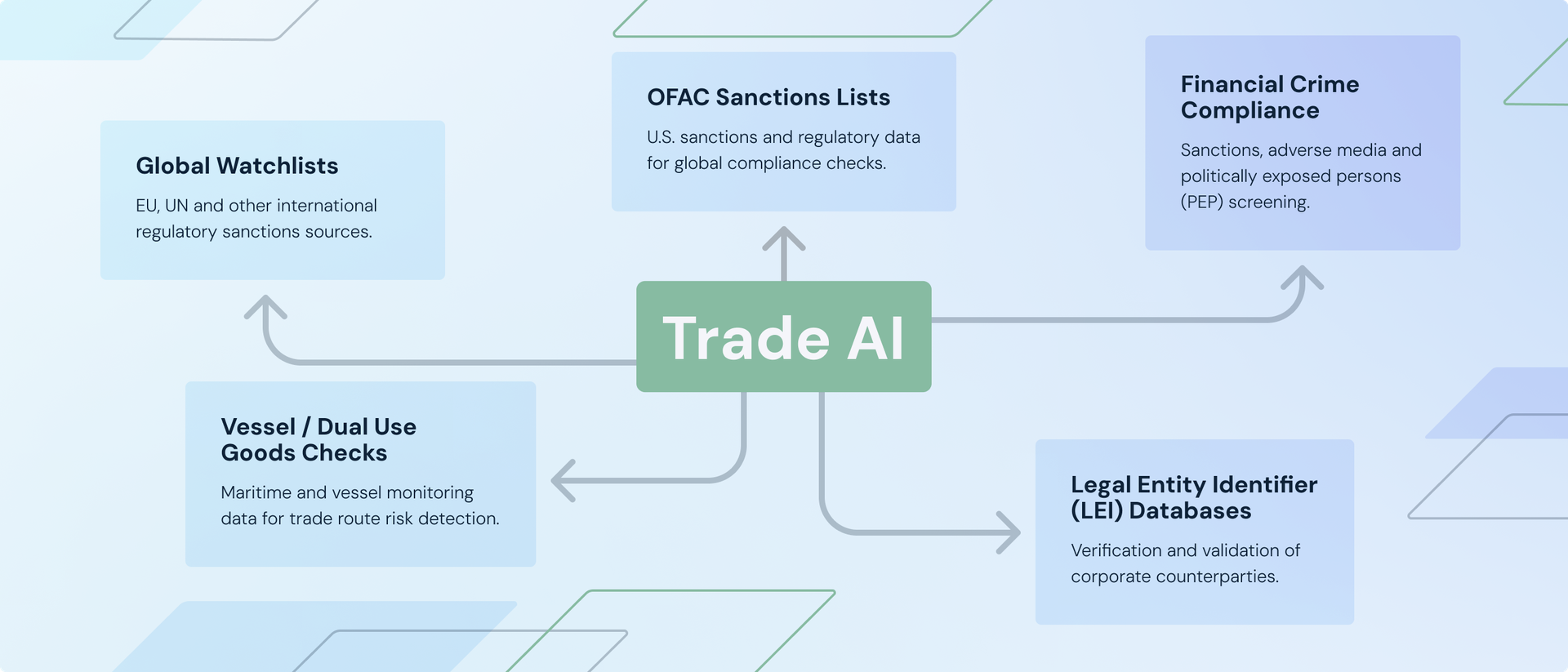
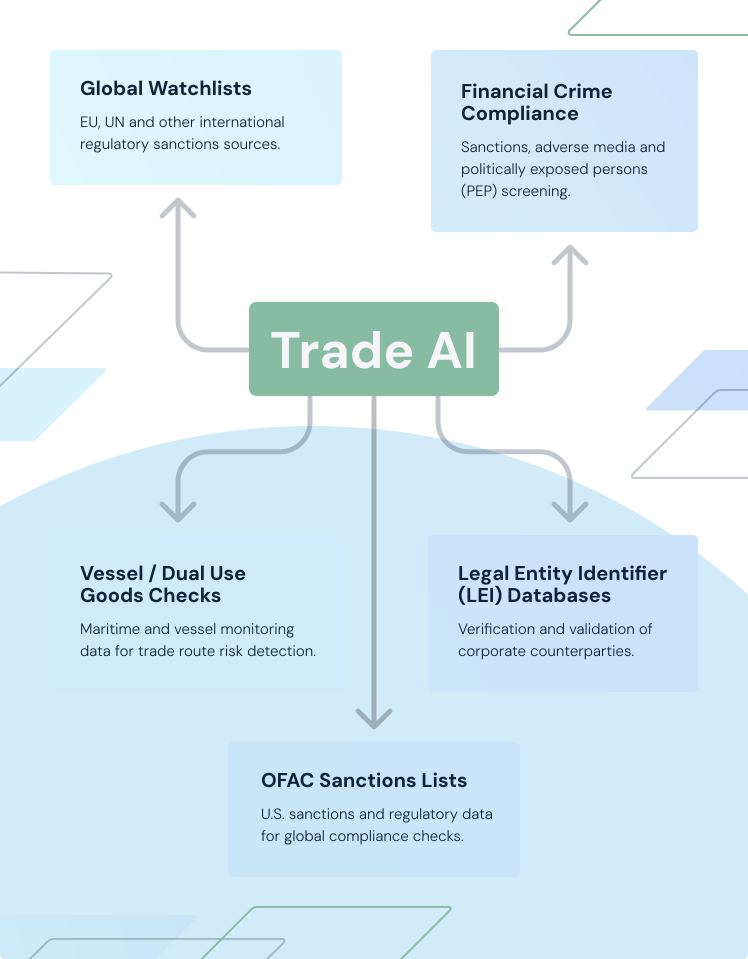
Trade AI automatically enriches every transaction using leading global compliance and trade intelligence sources, including:
Connected to Trusted Trade Intelligence
Trade AI automatically enriches every transaction using leading global compliance and trade intelligence sources, including:

Designed for Real Trade Finance Environments
Trade AI integrates with existing trade finance platforms including Finastra, Temenos, CGI, and Iron Mountain allowing banks to extend existing infrastructure without replacing core trade systems.
The platform supports:
- On-premises, private cloud or hybrid deployment.
- Integration with existing trade finance platforms and document systems.
- Role-based access control across operations, compliance and risk teams.
- Secure reporting and audit-ready case records.
This allows trade finance teams to introduce automation without disrupting existing infrastructure.
Trusted by Our Clients

“The app has delivered more than we expected quicker than we expected.”
Dermot Canavan
COO Trade and Trade Commodity Finance, ING Bank
Scale Trade Finance Operations Without Increasing Risk
See how Trade AI helps banks process more trade transactions, reduce operational bottlenecks and maintain consistent decision quality.

Scale Trade Finance Operations Without Increasing Risk
See how Trade AI helps banks process more trade transactions, reduce operational bottlenecks and maintain consistent decision quality.